Works with
- Anger
- Stress, Anxiety
- Addictions
- Relationship issues
- Family conflicts
- Depression
How Shannon works
Practical facts
- Credentials
- LPC
- Licensed in
- Pennsylvania
- Years in practice
- 17
- Languages
- English
- Session format
- Online, through our partner platform
About Shannon
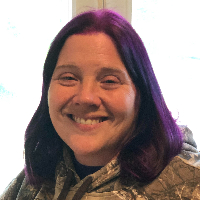
Shannon Gaiser is a licensed professional counselor with 17 years of practice in Pennsylvania. She draws on long clinical experience to help people handle stress, anger, addiction, and relationship challenges. Her approach centers on meeting people where they are and finding practical ways forward.
She keeps sessions straightforward and focused on real problems. Shannon often uses techniques from cognitive behavioral therapy to identify unhelpful thinking and build different habits. She combines this with client-centered listening so people feel heard while they set goals.
Background and approach
Acceptance and Commitment Therapy and mindfulness tools are part of her toolbox. Those approaches help people notice thoughts without acting on them and stay connected to what matters most. Motivational interviewing is used when clients want help finding their own reasons for change.
Shannon has worked in inpatient and outpatient addiction settings and has years supporting people through medication-assisted treatment conversations. She also has experience with trauma, depression, anxiety, grief, and family-of-origin issues. Her background includes helping people sort control issues, codependency, and communication problems.
Sessions are offered by video, phone, live chat, or text messaging to fit different needs. Shannon supports parents who feel overwhelmed, people coping with life changes, and those working through anger or substance concerns. She aims to collaborate on clear, manageable steps toward steadier days.
What Shannon works with
Everything Shannon lists, in the therapist's own terms. Anger is the reason this directory exists; the rest tells you what usually sits alongside it in Shannon's practice.
- Stress, Anxiety
- Addictions
- Relationship issues
- Family conflicts
- Depression
- LGBT
- Trauma and abuse
- Grief
- Parenting issues
- Anger management
- Self esteem
- Career difficulties
- Bipolar disorder
- Coping with life changes
- Abandonment
- Antisocial personality
- Codependency
- Commitment issues
- Communication problems
- Control issues
- Divorce and separation
- Domestic violence
- Drug and alcohol addiction
- Emptiness
- Family of origin issues
- Family problems
- Fatherhood issues
- Forgiveness
- Guilt and shame
- Impulsivity
- Infidelity
- Isolation / loneliness
- Life purpose
- Midlife crisis
- Money and financial issues
- Mood disorders
- Obsessions, compulsions, and OCD
- Post-traumatic stress
- Pregnancy and childbirth
- Seasonal Affective Disorder (SAD)
- Self-love
- Sexual assault and abuse
- Women's issues
- Young adult issues
Approaches Shannon lists
- Acceptance and Commitment Therapy (ACT)
- Client-Centered Therapy
- Cognitive Behavioral Therapy (CBT)
- Mindfulness Therapy
- Motivational Interviewing
- Solution-Focused Therapy
Listing an approach is not evidence of training in it. This directory copies what each therapist names and does not check training records.
Practical approaches for online care
Shannon frequently draws on Acceptance and Commitment Therapy and Cognitive Behavioral Therapy. ACT helps people notice difficult thoughts and feelings while they clarify personal values and take small actions toward those values. CBT focuses on identifying unhelpful thinking and practicing new behaviors to reduce symptoms like anxiety and anger.She also uses client-centered techniques to create a nonjudgmental space where clients shape their own goals. Figuring out which blend of methods fits best is a collaborative process - the therapist and client decide together based on needs, goals, and preferences rather than using a single fixed approach.
Online sessions are offered by video calls, phone sessions, live chat, or text-based messaging to offer flexibility. Video calls allow face-to-face conversation and exercises that benefit from visual cues. Phone sessions can be easier when bandwidth is limited or for quick check-ins. Live chat and text messaging can support short updates, goal tracking, and between-session encouragement without needing to schedule a full call.
Questions people ask about Shannon
What concerns does Shannon address?
She works with stress, anxiety, addictions, anger, depression, trauma, relationship and family issues, grief, self-esteem, career questions, bipolar symptoms, and coping with life changes.
What is her therapeutic style like?
The style is practical and collaborative. She uses client-centered listening, cognitive behavioral techniques, and motivational interviewing to set goals and build skills.
How much clinical experience does she have?
Shannon has 17 years of experience working in both inpatient and outpatient addiction settings and in independent practice supporting a range of concerns.
What are her credentials and where is she located?
She is an LPC - Licensed Professional Counselor - practicing in Pennsylvania.
Which languages are available for sessions?
Sessions are offered in English, and she also accepts international clients.
What session formats does she offer?
She provides video calls, phone sessions, live chat, and text-based messaging to suit different preferences and schedules.
How does cost and payment work?
Cost varies with location and therapist availability; sessions use a subscription model that can be canceled at any time.
How do I begin working with her?
Start by selecting the Start Therapy button, complete a short matching questionnaire, and then schedule sessions according to therapist availability.