Works with
- Anger
- Anger management
- Self esteem
- Depression
How Sherry works
Practical facts
- Credentials
- LCSW
- Licensed in
- North Carolina
- Years in practice
- 32
- Languages
- English
- Session format
- Online, through our partner platform
About Sherry
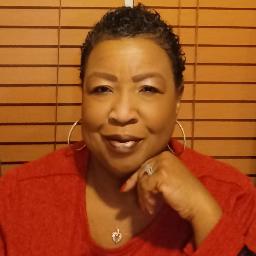
Sherry Jones-Williamson is a licensed clinical social worker with more than three decades of practice. She offers calm, straightforward support for people coping with anger, anxiety, depression, grief, low self-esteem, bipolar challenges, and major life changes. She works from North Carolina and speaks English.
Sherry spent much of her career in inpatient psychiatric settings and has a long history working with older adults and geriatric concerns. That experience shaped her practical, skill-focused approach to helping people regain day-to-day functioning.
Background and approach
She also supports caregivers facing stress and people navigating midlife or women's issues. Her way of working is warm and person-centered. She aims to meet people where they are and create a non-judgmental space for honest conversation.
Sessions focus on clear goals and small steps that build better coping and life skills. Sherry commonly uses Cognitive Behavioral Therapy, which helps identify and practice alternative ways of thinking and acting. She blends this with Motivational Interviewing to help people resolve mixed feelings about change and move toward goals.
Solution-Focused Therapy and Client-Centered Therapy also inform her style. People who come to her can expect a practical plan tailored to their needs. She emphasizes developing coping tools, improving daily routines, and measuring progress in concrete ways.
Her goal is to help people leave sessions with useful strategies they can try between meetings.
What Sherry works with
Everything Sherry lists, in the therapist's own terms. Anger is the reason this directory exists; the rest tells you what usually sits alongside it in Sherry's practice.
- Anger management
- Self esteem
- Depression
- Stress, Anxiety
- Family conflicts
- Grief
- Bipolar disorder
- Coping with life changes
- Aging and geriatric issues
- Caregiver issues and stress
- Midlife crisis
- Women's issues
Approaches Sherry lists
- Client-Centered Therapy
- Cognitive Behavioral Therapy (CBT)
- Motivational Interviewing
- Solution-Focused Therapy
Listing an approach is not evidence of training in it. This directory copies what each therapist names and does not check training records.
How therapy approaches translate to online care
Client-Centered Therapy focuses on listening and responding to each person's unique concerns, offering empathy and respect while the person sets the pace and priorities. Cognitive Behavioral Therapy helps identify unhelpful thoughts and habits, then practices alternative strategies to improve mood and behavior; it works well for anger, anxiety, and depression.Finding the right approach is part of the work. The therapist will collaborate with each person to pick methods that fit their goals and preferences, adjusting strategies as progress is made. That way goals, motivation, and practical needs guide which techniques are used.
Online formats include video calls, phone sessions, live chat, and text-based messaging. Video sessions allow face-to-face conversation and interactive skill practice. Phone sessions use less bandwidth and can be a simpler check-in. Live chat or text messaging can help with brief check-ins, homework prompts, or planning between sessions. These options make it easier to fit therapy into a busy life and keep momentum while working toward change.
Questions people ask about Sherry
What concerns does Sherry commonly address?
She supports people dealing with anger, anxiety, depression, stress, low self-esteem, grief, bipolar issues, and coping with life changes, plus aging and caregiver stress.
How would you describe her therapy style?
Her style is person-centered and practical, focusing on clear goals, small steps, and skills people can use between sessions.
What kind of background does she bring to sessions?
She has 32 years of experience and many years working in inpatient psychiatric settings, with substantial work around geriatric concerns.
What credentials and location should I know about?
She is an LCSW licensed in North Carolina and practices from that state.
Which languages are supported for sessions?
Sessions are offered in English.
What session formats are available online?
She meets via video calls, phone sessions, live chat, and text-based messaging.
How are sessions priced?
Cost varies with location and therapist availability; sessions use a subscription that can be canceled at any time.
How do I begin working with her?
Start by selecting the Start Therapy button, complete a short matching questionnaire, and schedule according to the therapist's availability.