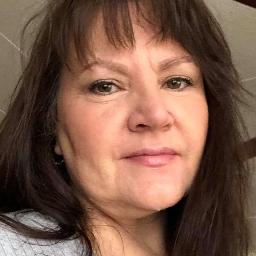
How Shirley works
Practical facts
- Credentials
- LCSW
- Licensed in
- Montana
- Years in practice
- 23
- Languages
- English
- Session format
- Online, through our partner platform
About Shirley
Shirley Butler is a Licensed Clinical Social Worker with 23 years in mental health. She runs a independent practice in Montana that she opened in 2013. Shirley has worked in community mental health and Tribal Behavioral Health and has experience responding to crisis on-call rotations as well as scheduled sessions.
She focuses on helping people with stress, anxiety, anger, depression, trauma and abuse, and relationship concerns. Shirley also supports people navigating grief, parenting strain, career shifts, and challenges around self-esteem and codependency.
Background and approach
Her work includes attention to abandonment, commitment issues, and communication problems. Shirley draws on several ways of working to match what each person needs. She builds a working alliance first and then collaborates with clients to shape a treatment plan.
Sessions aim to be straightforward and practical, with room to tell your story and decide what to address next. Her career began after a Bachelor degree in Human Services Rehabilitation from Salish Kootenai College and a Master of Social Work from Walla Walla University in Missoula, Montana.
She completed the supervised clinical hours required before earning her clinical license, and she holds MT LCSW. Shirley values cultural diversity and has lived and worked across different communities, including time on a reservation. She emphasizes listening, building trust, and working at a pace that feels right for each person.
The approach is collaborative and geared toward small, realistic steps forward.
What Shirley works with
Everything Shirley lists, in the therapist's own terms. Anger is the reason this directory exists; the rest tells you what usually sits alongside it in Shirley's practice.
- Stress, Anxiety
- Trauma and abuse
- Self esteem
- Depression
- Coping with life changes
- Relationship issues
- Family conflicts
- Grief
- Parenting issues
- Anger management
- Career difficulties
- Bipolar disorder
- Abandonment
- Codependency
- Commitment issues
- Communication problems
- Forgiveness
- Post-traumatic stress
- Self-love
- Women's issues
Approaches Shirley lists
- Attachment-Based Therapy
- Client-Centered Therapy
- Cognitive Behavioral Therapy (CBT)
- Dialectical Behavior Therapy (DBT)
- Emotionally-Focused Therapy (EFT)
- Eye Movement Desensitization and Reprocessing (EMDR)
- Mindfulness Therapy
- Motivational Interviewing
- Solution-Focused Therapy
- Trauma-Focused Therapy
Listing an approach is not evidence of training in it. This directory copies what each therapist names and does not check training records.
How Shirley’s approaches translate to online therapy
Attachment-Based Therapy focuses on how early relationships shape current patterns. In sessions this often looks like exploring connection needs and learning new ways to ask for support, which can help with relationship struggles and self-esteem issues.Client-Centered Therapy centers the person’s own goals and perspective. The therapist listens without judgment, follows your lead, and helps you clarify what matters most so you can make changes at your own pace.
Cognitive Behavioral Therapy, or CBT, helps people spot unhelpful thoughts and try different actions to reduce anxiety, anger, or low mood. It often includes short at-home exercises and clear steps to track progress.
Finding the right approach is part of the work. Shirley will talk with each person about goals, preferences, and what has or hasn’t helped before. Together the therapist and client choose or combine methods that fit the situation and adjust as needed over time.
Online sessions are offered by video call, phone, live chat, or text-based messaging to make scheduling easier. Video works well when visual cues help the conversation; phone can be simpler when bandwidth is limited; chat or messaging are useful for brief check-ins or when typing feels easier. These options make it possible to fit therapy into busy days and across different time zones.
Questions people ask about Shirley
What concerns does Shirley commonly help with?
She helps people with stress, anxiety, anger, depression, trauma and abuse, relationship and family issues, grief, parenting strain, career concerns, and bipolar mood challenges.
How would you describe her therapeutic style?
Her style is collaborative and down-to-earth. Shirley focuses on building trust, listening to your story, and making a plan together that fits your needs.
What kind of experience does she bring?
Shirley brings 23 years of experience in community mental health and Tribal Behavioral Health settings, including crisis on-call work and independent practice since 2013.
What are her credentials and where is she based?
She holds a Master of Social Work and is a licensed clinical social worker in Montana, listed as MT LCSW, and operates from a Montana practice.
Which languages and international arrangements are supported?
Sessions are offered in English and she accepts international clients.
What session formats are available?
Shirley offers video calls, phone sessions, live chat, and text-based messaging to suit different preferences and schedules.
How is cost handled for sessions?
Cost varies with location and therapist availability; sessions use a subscription model that can be canceled at any time.
What are the first steps to begin working together?
Start by selecting the Start Therapy button, complete a short matching questionnaire, and then schedule sessions according to therapist availability.