Works with
- Anger
- Stress, Anxiety
- Addictions
- Anger management
- Depression
- ADHD
How Shirley works
Practical facts
- Credentials
- LCMHC
- Licensed in
- North Carolina
- Years in practice
- 20
- Languages
- English
- Session format
- Online, through our partner platform
About Shirley
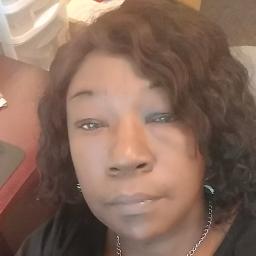
Shirley Southard helps people who are dealing with stress, anxiety, depression, addictions, anger, ADHD, grief, trauma, and major life changes. She keeps conversations direct and calm. Shirley listens without judgment and focuses on practical steps people can try between sessions.
Shirley has spent about 20 years working in human services. Her background includes work with mental health, developmental disability, and substance use populations. She has experience supporting medication management and has worked with active military members and their families.
Background and approach
In sessions she offers straightforward skills and coaching. She uses approaches that help people notice unhelpful thoughts, try new behaviors, and build coping skills. Shirley also uses motivational strategies to support change and teaches simple psychoeducation about how stress and mood affect day-to-day life.
Her style is warm and nonjudgmental. She aims to make therapy a place where people can talk honestly and plan concrete steps forward. That often means setting achievable goals and checking progress week to week.
Shirley holds a Master’s degree in Counseling and is a Licensed Clinical Mental Health Counselor, LCMHC, in North Carolina. She works with adults and children and draws on a mix of practical tools to address relationship strain, parenting challenges, substance concerns, impulse control, and other problems that get in the way of daily life.
What Shirley works with
Everything Shirley lists, in the therapist's own terms. Anger is the reason this directory exists; the rest tells you what usually sits alongside it in Shirley's practice.
- Stress, Anxiety
- Addictions
- Anger management
- Depression
- ADHD
- Relationship issues
- Family conflicts
- Trauma and abuse
- Grief
- Parenting issues
- Coping with life changes
- Aging and geriatric issues
- Antisocial personality
- Communication problems
- Control issues
- Domestic violence
- Drug and alcohol addiction
- Forgiveness
- Guilt and shame
- Impulsivity
- Isolation / loneliness
- Jealousy
- Veteran and Armed Forces Issues
- Panic disorder and panic attacks
- Post-traumatic stress
- Self-harm
- Self-love
- Social anxiety and phobia
- Women's issues
Approaches Shirley lists
- Client-Centered Therapy
- Cognitive Behavioral Therapy (CBT)
- Dialectical Behavior Therapy (DBT)
- Mindfulness Therapy
- Motivational Interviewing
- Solution-Focused Therapy
- Trauma-Focused Therapy
Listing an approach is not evidence of training in it. This directory copies what each therapist names and does not check training records.
How Shirley’s approaches work online
Client-Centered Therapy is about listening closely and placing the person’s goals at the center of each session. It helps when someone needs time to be heard and to sort out their priorities. Cognitive Behavioral Therapy, or CBT, focuses on spotting unhelpful thoughts and testing new behaviors to reduce symptoms like anxiety, panic, or anger. It is often used for mood, anxiety, and stress-related concerns. Dialectical Behavior Therapy, or DBT, teaches concrete skills for managing intense emotions and impulsive actions and can help with self-harm urges, strong anger, and relationship strain.Finding the right mix of approaches is part of the work. The therapist will talk with each person about goals, preferences, and what has worked in the past. Together they decide which methods to try and adjust the plan as progress is seen.
Online therapy can make consistent care easier to fit into a busy life. Video calls allow face-to-face conversation when visual cues help. Phone sessions work well when bandwidth is limited or when someone prefers not to be on camera. Live chat and text-based messaging are useful for quick check-ins, short coaching, or when someone needs to write through an issue. These options let people connect from different places and schedules while keeping the work focused on clear goals and practical skills.
Questions people ask about Shirley
What concerns does Shirley help with?
She supports people with stress, anxiety, depression, anger, addictions, ADHD, trauma, grief, relationship and parenting challenges, and coping with life changes.
What is her therapeutic style like?
Her approach is warm and nonjudgmental with a focus on practical steps. Sessions emphasize listening, teaching skills, and setting small, realistic goals.
How much experience does she have?
She brings about 20 years of experience in the human services field, including work with mental health, developmental disability, and substance use populations.
What credentials and location apply?
She holds a Master’s degree in Counseling and is a Licensed Clinical Mental Health Counselor (LCMHC) practicing in North Carolina.
Which languages and international options are offered?
Sessions are offered in English and Shirley accepts international clients.
What session formats are available?
Therapy can be delivered via video calls, phone sessions, live chat, or text-based messaging to fit different schedules and needs.
How is payment handled?
Cost varies by location and therapist availability. Sessions use a subscription model that can be canceled at any time.
How do I begin working with her?
Start by selecting the Start Therapy button, complete a short matching questionnaire, and then schedule a session based on the therapist’s availability.