Works with
How Susan works
Practical facts
- Credentials
- LPC
- Licensed in
- Washington, Oregon, Arizona
- Years in practice
- 25
- Languages
- English
- Session format
- Online, through our partner platform
About Susan
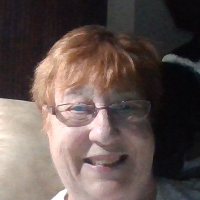
Dr. Susan Harris is a Licensed Professional Counselor (LPC) who helps people manage stress, anxiety, anger, addiction concerns, mood changes, and grief. She focuses on practical skills people can use day to day.
Her manner is direct and grounded, aimed at making therapy useful and reachable for busy lives. With 25 years of experience in related fields and long work with addiction and mental health, she brings a steady approach.
Background and approach
She treats addiction and mental health together, addressing physical, emotional, and spiritual aspects of a person’s life where relevant. Sessions are collaborative and focused on realistic steps forward. Her style is person-centered.
That means she starts by hearing where someone is now and builds on their strengths. She uses techniques that teach coping skills and help shift unhelpful thinking and behavior patterns. Common concerns she supports include trauma and abuse, bipolar and mood disorders, depression, social anxiety, and process addictions like gambling or problematic internet use.
She also helps with family of origin issues, caregiving stress, codependency, and rebuilding self-esteem after loss or assault. Dr. Harris practices in Arizona and conducts sessions in English.
She offers several online formats so people can choose what fits their life. People who want to begin are asked to complete a brief matching questionnaire and schedule a session. Her work emphasizes clear tools, steady listening, and measurable progress.
She helps people practice new habits, cope with life changes, and reduce the impact of anger and strong emotions on everyday life.
What Susan works with
Everything Susan lists, in the therapist's own terms. Anger is the reason this directory exists; the rest tells you what usually sits alongside it in Susan's practice.
- Stress, Anxiety
- Addictions
- Trauma and abuse
- Grief
- Self esteem
- Relationship issues
- Anger management
- Bipolar disorder
- Depression
- Coping with life changes
- Abandonment
- Aging and geriatric issues
- Caregiver issues and stress
- Codependency
- Communication problems
- Drug and alcohol addiction
- Family of origin issues
- Family problems
- Guilt and shame
- Mood disorders
- Post-traumatic stress
- Process addiction (porn, exercise, gambling)
- Self-love
- Sexual assault and abuse
- Social anxiety and phobia
- Women's issues
Approaches Susan lists
- Client-Centered Therapy
- Cognitive Behavioral Therapy (CBT)
- Dialectical Behavior Therapy (DBT)
- Mindfulness Therapy
- Motivational Interviewing
- Solution-Focused Therapy
- Trauma-Focused Therapy
Listing an approach is not evidence of training in it. This directory copies what each therapist names and does not check training records.
Approaches that guide online work
Dr. Harris uses Client-Centered Therapy to help people feel heard and to build on their existing strengths. This approach focuses on listening and collaborating so clients steer the pace and goals of their work.She also uses Cognitive Behavioral Therapy, which involves identifying unhelpful thoughts and trying different behaviors to reduce anxiety, depression, and anger. CBT is practical and often focuses on homework between sessions to practice new skills.
Dialectical Behavior Therapy techniques appear in her work to teach emotional regulation, distress tolerance, and improved communication. These tools can be useful for intense emotions and relationship stress.
Choosing an approach is a team effort. The therapist will talk through options and adapt methods to fit a person's needs, goals, and preferences. Clients are invited to give feedback so the plan can be adjusted over time.
Online formats include video calls, phone sessions, live chat, and text-based messaging. Video calls let people see facial cues and work in real time, while phone sessions can fit a shorter break or lower bandwidth. Live chat and text-based messaging can be used for brief check-ins, homework support, and ongoing reminders between sessions. These options make it easier to schedule therapy around work, caregiving, and daily life.
Questions people ask about Susan
What problems does she commonly help with?
She supports people dealing with stress, anxiety, anger, addictions, trauma, grief, depression, bipolar mood concerns, and coping with life changes.
How would you describe her therapeutic approach?
Her approach is person-centered and skills-oriented, using techniques that teach coping, change unhelpful thinking, and strengthen emotional regulation.
What kind of background does she have?
She has 25 years of experience working in addiction and mental health related fields and focuses on treating mental health and addiction together when appropriate.
Where is she based and what credentials does she hold?
She practices in Arizona and holds the LPC credential, which stands for Licensed Professional Counselor.
What languages are supported for sessions?
Sessions are offered in English.
Which session formats are available?
She offers video calls, phone sessions, live chat, and text-based messaging to fit different needs and schedules.
How is cost handled for sessions?
Cost varies with location and therapist availability; sessions use a subscription that can be canceled at any time.
What are the first steps to begin working together?
Start by selecting the Start Therapy button, completing a short matching questionnaire, and then scheduling according to the therapist's availability.