Works with
- Anger
- Addictions
- Trauma and abuse
- Anger management
- Self esteem
- Depression
How Teodoro works
Practical facts
- Credentials
- LCSW
- Licensed in
- Connecticut
- Years in practice
- 20
- Languages
- English, Spanish
- Session format
- Online, through our partner platform
About Teodoro
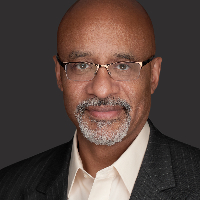
Teodoro Anderson Diaz is a licensed clinical social worker with twenty years of experience helping people manage strong emotions and life challenges. He holds a Master of Social Work from Springfield College and practices in Connecticut. He speaks English and Spanish and supports people dealing with depression, substance use, trauma, anxiety, and anger concerns.
He has worked in a range of settings over two decades, which shaped a practical approach to therapy.
Background and approach
Sessions focus on what matters most to the person sitting across from him. He listens closely, asks clear questions, and helps people set small, achievable goals. Teodoro blends client-centered care with techniques drawn from cognitive behavioral therapy and narrative approaches.
That means he helps people name patterns, try new behaviors, and rewrite stories that keep them stuck. Motivational interviewing is part of his work when someone wants to change habits such as substance use. His style is direct but respectful.
He tends to break issues into manageable steps and checks in often about how well an approach is working. People looking for help with anger can expect concrete skills to reduce reactivity and routines to prevent escalation. Teodoro is also attentive to cultural background, immigration stress, and first responder challenges.
His bilingual ability lets Spanish speakers speak about difficult topics without translation. He aims to make therapy understandable and usable in day-to-day life.
What Teodoro works with
Everything Teodoro lists, in the therapist's own terms. Anger is the reason this directory exists; the rest tells you what usually sits alongside it in Teodoro's practice.
- Addictions
- Trauma and abuse
- Anger management
- Self esteem
- Depression
- Stress, Anxiety
- LGBT
- Relationship issues
- Family conflicts
- Grief
- Intimacy-related issues
- Eating disorders
- Parenting issues
- Career difficulties
- Bipolar disorder
- Coping with life changes
- Compassion fatigue
- ADHD
- First responder issues
- Immigration issues
- Multicultural concerns
Approaches Teodoro lists
- Client-Centered Therapy
- Cognitive Behavioral Therapy (CBT)
- Existential Therapy
- Motivational Interviewing
- Narrative Therapy
- Psychodynamic Therapy
- Solution-Focused Therapy
- Trauma-Focused Therapy
Listing an approach is not evidence of training in it. This directory copies what each therapist names and does not check training records.
Approaches that guide online work and practical access
Client-centered therapy focuses on listening and understanding the person's experience. The therapist offers empathy and supports each person in finding their own answers, which helps with issues like depression, anxiety, and life transitions.Cognitive behavioral therapy, or CBT, helps people identify unhelpful thoughts and try new behaviors. It is useful for anxiety, depression, anger, and patterns that keep problems going because it emphasizes specific skills and short-term practice.
Motivational interviewing helps when someone is unsure about change. It uses conversational techniques to build motivation and commitment for steps such as reducing substance use or starting healthier routines.
Deciding which approach to use is a joint process. The therapist will talk about goals, try methods, and adjust based on what works and what the person prefers. That collaborative stance helps tailor work to real life and keeps treatment relevant.
Online sessions via video calls, phone, live chat, or text-based messaging make it easier to fit therapy into a busy schedule. Video is good for deeper conversations; phone can be simpler when bandwidth is limited; chat or text work well for brief check-ins or when writing helps organize thoughts. These options increase flexibility and let people continue care across distances.
Questions people ask about Teodoro
What concerns does he help with?
He works with a wide range of concerns including addictions, trauma and abuse, anger, depression, anxiety, and stress. He also supports people facing relationship strain, grief, eating issues, parenting challenges, and career transitions.
What is his therapeutic style?
His style is patient-centered and direct. He listens first, then helps set clear goals and teaches practical skills from different therapeutic approaches.
How much experience does he have?
He brings twenty years of professional experience. That background includes work in a variety of settings and roles related to behavioral health.
What credential does he hold and where is he based?
He is a Licensed Clinical Social Worker, LCSW, practicing in Connecticut. His training includes a Master of Social Work from Springfield College.
Which languages are supported?
Sessions are offered in English and Spanish. He is comfortable working with Spanish-speaking clients without an interpreter.
Can international clients work together?
International clients are accepted. Availability for international sessions depends on scheduling and licensing considerations.
What session formats are offered?
He offers video calls, phone sessions, live chat, and text-based messaging to fit different needs and routines. These options allow flexibility for shorter check-ins or longer talks.
How is cost handled and how do I begin?
Cost varies with location and therapist availability and sessions are provided through a cancellable subscription. To begin, select Start Therapy, complete a short matching questionnaire, and schedule according to the therapist's availability.