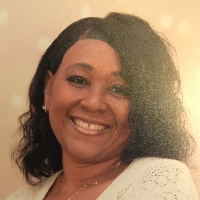
Dr. Tina Marie Glover, LPC, LPCC
Experienced counselor focused on practical emotional skills
Book with TinaWorks with
How Tina works
Practical facts
- Credentials
- LPC, LPCC
- Licensed in
- Alabama, Oregon, Kentucky
- Years in practice
- 22
- Languages
- English
- Session format
- Online, through our partner platform
About Tina
Dr. Tina Marie Glover uses a practical, person-focused approach to help people manage strong emotions and life stressors. She is a Licensed Professional Counselor (LPC) and Licensed Professional Clinical Counselor (LPCC) with more than two decades of experience.
Dr. Glover draws on clear, everyday language so people can act on what they learn in sessions. She brings 22 years of work across residential, outpatient, academic, and correctional settings.
That range has given her experience with anxiety, depression, trauma and abuse, and anger.
Background and approach
She also helps people facing addictions, relationship struggles, parenting strain, grief, career decisions, and issues tied to identity such as LGBT concerns. Her approach centers on the person in front of her. She uses client-centered methods to listen and shape goals around what matters to each client.
Cognitive Behavioral Therapy helps people notice and change unhelpful thinking and behavior patterns. Dialectical Behavior Therapy gives skills for managing intense emotions and improving interpersonal skills. Dr.
Glover also uses mindfulness and motivational interviewing techniques when they fit the work. She supports clients dealing with family of origin issues, codependency, forgiveness, and co-occurring conditions like bipolar concerns or substance misuse. Adoption and foster care, aging and caregiver stress are included in her focus areas.
Sessions are offered in English and she accepts international clients. Her style is straightforward and collaborative, aimed at building practical skills for handling anger, stress, and other challenges.
What Tina works with
Everything Tina lists, in the therapist's own terms. Anger is the reason this directory exists; the rest tells you what usually sits alongside it in Tina's practice.
- Stress, Anxiety
- Addictions
- Trauma and abuse
- Depression
- LGBT
- Relationship issues
- Family conflicts
- Grief
- Intimacy-related issues
- Parenting issues
- Anger management
- Self esteem
- Career difficulties
- Bipolar disorder
- Adoption and foster care
- Aging and geriatric issues
- Caregiver issues and stress
- Co-morbidity
- Codependency
- Commitment issues
- Communication problems
- Control issues
- Dependent personality
- Divorce and separation
- Domestic violence
- Drug and alcohol addiction
- Family of origin issues
- Family problems
- Forgiveness
- Infidelity
- Life purpose
- Men's issues
- Midlife crisis
- Money and financial issues
- Mood disorders
- Multicultural concerns
- Personality disorders
- Post-traumatic stress
- Prejudice and discrimination
- Process addiction (porn, exercise, gambling)
- Seasonal Affective Disorder (SAD)
- Self-love
- Sexuality
- Women's issues
- Workplace issues
- Young adult issues
Approaches Tina lists
- Client-Centered Therapy
- Cognitive Behavioral Therapy (CBT)
- Dialectical Behavior Therapy (DBT)
- Mindfulness Therapy
- Motivational Interviewing
- Narrative Therapy
- Psychodynamic Therapy
- Solution-Focused Therapy
- Trauma-Focused Therapy
Listing an approach is not evidence of training in it. This directory copies what each therapist names and does not check training records.
Therapeutic approaches and online delivery
Dr. Glover uses Client-Centered Therapy to keep the work focused on each person's priorities and lived experience. This approach means the therapist listens carefully and helps clients set goals that feel meaningful to them. Cognitive Behavioral Therapy, or CBT, is used to identify unhelpful thoughts and behaviors and replace them with more effective patterns, which can help with anger, anxiety, and mood concerns.She also brings in Dialectical Behavior Therapy skills for emotion regulation and interpersonal effectiveness when people struggle with intense feelings or relationship stress. Finding the right mix of methods is part of the process; Dr. Glover works with each client to decide which approaches fit their goals and comfort level in a collaborative way.
Online sessions are offered by video calls, phone sessions, live chat, or text-based messaging to provide flexibility. Video sessions can support a fuller conversation and visual connection. Phone sessions can work well when bandwidth is limited or a shorter check-in is needed. Live chat and text messaging offer brief, on-the-go supports and ongoing check-ins between longer sessions. These options make it easier to fit therapy into work, family, and travel schedules while letting the therapist and client focus on practical skill-building.
Questions people ask about Tina
What concerns does she help with?
She works with stress, anxiety, depression, anger, addictions, trauma and abuse, relationship and intimacy issues, parenting strain, grief, career challenges, and LGBT topics among others.
What is her therapeutic style?
Her style is client-centered and collaborative. She blends cognitive behavioral techniques, dialectical behavior strategies, mindfulness, and motivational interviewing to build skills and address emotions.
What is her background and experience?
She has 22 years of experience working in residential, outpatient, academic, and correctional settings and has supported people with a wide range of concerns.
What credentials and location are listed?
She holds LPC and LPCC credentials and is based in Oregon.
Which languages and international options are available?
Sessions are offered in English and she accepts international clients.
In what formats can sessions be held?
Therapy is available by video calls, phone sessions, live chat, or text-based messaging to match different schedules and needs.
How are costs handled?
Cost varies with location and therapist availability; sessions use a subscription model that can be canceled at any time.
How do I begin working with her?
Start by selecting the Start Therapy button, complete a short matching questionnaire, and then schedule sessions according to the therapist's availability.