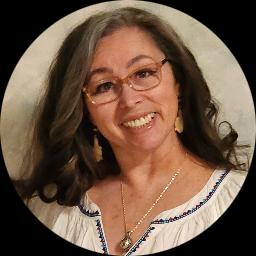
How Carla works
Practical facts
- Credentials
- LPC
- Licensed in
- West Virginia
- Years in practice
- 11
- Languages
- English
- Session format
- Online, through our partner platform
About Carla
Carla Bensie is a Licensed Professional Counselor with 11 years of experience supporting people through stress, anxiety, addiction concerns, trauma and depression. She practices in West Virginia and uses straightforward, compassionate care to help people take the first steps toward change. Carla keeps conversations direct and practical so people can act on what they learn between sessions.
Clients meet a clinician who focuses on listening without judgment. She helps people name what’s happening, sort priorities, and make a simple plan to try.
Background and approach
Sessions move at a steady, manageable pace so progress feels realistic rather than overwhelming. Carla blends several evidence-based methods to match the person in front of her. She uses tools from cognitive behavioral therapy to spot unhelpful thinking patterns.
Mindfulness and skills from dialectical behavior therapy help with strong emotions and impulse control. For people recovering from trauma, she can use trauma-focused work and eye movement desensitization and reprocessing techniques as part of a paced plan. Solution-focused ideas help when the goal is practical change and quicker relief from everyday problems.
She also supports concerns around intimacy, self-esteem, eating issues, bipolar mood management, and anger. Additional areas include family-of-origin wounds, codependency, grief near end of life, and substance-related problems. Carla aims to make therapy understandable and useful from the first session.
What Carla works with
Everything Carla lists, in the therapist's own terms. Anger is the reason this directory exists; the rest tells you what usually sits alongside it in Carla's practice.
- Stress, Anxiety
- Addictions
- Trauma and abuse
- Depression
- Coping with life changes
- LGBT
- Intimacy-related issues
- Eating disorders
- Anger management
- Self esteem
- Bipolar disorder
- Abandonment
- Aging and geriatric issues
- Blended family issues
- Body image
- Co-morbidity
- Codependency
- Communication problems
- Dissociation
- Domestic violence
- Drug and alcohol addiction
- Eating and food-related issues
- Family of origin issues
- Forgiveness
- Guilt and shame
- Hospice and end-of-life counseling
- Infidelity
- Isolation / loneliness
- Life purpose
- Midlife crisis
- Multicultural concerns
- Postpartum depression
- Post-traumatic stress
- Process addiction (porn, exercise, gambling)
- Seasonal Affective Disorder (SAD)
- Self-harm
- Self-love
- Social anxiety and phobia
- Women's issues
Approaches Carla lists
- Cognitive Behavioral Therapy (CBT)
- Dialectical Behavior Therapy (DBT)
- Eye Movement Desensitization and Reprocessing (EMDR)
- Mindfulness Therapy
- Solution-Focused Therapy
- Trauma-Focused Therapy
Listing an approach is not evidence of training in it. This directory copies what each therapist names and does not check training records.
How evidence-based approaches translate online
Carla commonly draws on cognitive behavioral therapy and dialectical behavior therapy in online sessions. Cognitive behavioral therapy helps people notice and change unhelpful thoughts and behaviors with specific exercises and homework. Dialectical behavior therapy offers skills for managing intense emotions, improving distress tolerance, and strengthening interpersonal effectiveness.She also integrates trauma-focused methods and eye movement desensitization and reprocessing when trauma is a core concern. Those approaches work by helping the brain process difficult memories at a measured pace, often paired with grounding and emotion-regulation tools to keep sessions manageable.
Choosing the right approach is collaborative. The therapist will discuss goals, past treatment, and personal preferences, then try methods that fit the person's needs. Plans are adjusted over time based on what helps most.
Online therapy offers practical benefits for busy lives. Video calls allow face-to-face conversation when visual cues matter. Phone sessions can be a good option when bandwidth or camera use is an issue. Live chat or text-based messaging supports shorter check-ins, quick skill practice, or an alternative when scheduling a longer session is hard.
Questions people ask about Carla
What kinds of concerns does she help with?
She works with stress, anxiety, addictions, trauma and abuse, depression, anger, and related issues such as self-esteem and intimacy challenges.
What is her therapeutic style like?
Her approach is practical and conversational. Sessions focus on clear steps, skills to use between visits, and honest feedback.
How much experience does she have?
She brings 11 years of clinical experience working with a variety of concerns in Ohio and West Virginia.
What are her credentials and where is she located?
She is a Licensed Professional Counselor, LPC, licensed in West Virginia and practices from that state.
Which languages are supported for sessions?
Sessions are offered in English and she accepts international clients.
What session formats are available?
She offers video calls, phone sessions, live chat, and text-based messaging to fit different needs.
How does payment and cost work?
Cost varies with location and therapist availability; sessions are delivered through a subscription that can be canceled at any time.
How do I begin working with her?
Start by selecting the Start Therapy button, completing a short matching questionnaire, and scheduling according to the therapist's availability.