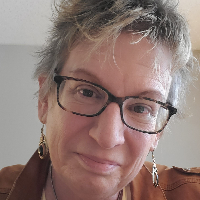
Stephanie Freeman
LPC
Practical counseling for anger and anxiety
- State
- West Virginia
- Experience
- 4 years
- Languages
- English
- Also works with
- Stress, Anxiety, LGBT, Self esteem, ADHD
45 therapists based in West Virginia list anger among the things they work with. Sessions are online; a therapist can usually only see people in the states where they hold a licence, so check each profile.
Welcome to our West Virginia directory for online therapists focused on anger and related concerns. All therapists listed here are licensed in their fields, and you can explore profiles to learn about their approaches, credentials, and areas of focus.
Use the listings below to begin finding a therapist whose experience and approach match what you need. Review bios and reach out to start a conversation.
Practical counseling for anger and anxiety
Compassionate counselor focused on practical change
Practical help for anger and intense emotions
Calm guidance for intense emotions
Practical support for anger and life stressors
Practical, warm counseling for stress and anger
Calm, practical help for overwhelming feelings
Calm, practical support for everyday struggles
Practical support for strong emotions
Experienced psychologist helping adults navigate change
Calm, practical support for lasting change
Practical, goal-focused counseling for stress and trauma
Practical strategies for anger and life stress
Calm, practical counseling for everyday struggles
Practical care for stress and anger
Practical, calm support for strong emotions
Calm, practical counseling for everyday struggles
Compassionate social worker for practical change
Experienced counselor helping people manage anger and stress
Compassionate counselor for life transitions
Practical support for strong emotions and behavior
Calm, practical counseling for strong emotions
Calm, practical support for angry or anxious moments
Compassionate LICSW guiding trauma recovery and coping
Practical guidance for calmer reactions
Practical counseling for strong emotions
Warm psychologist focusing on practical change
Compassionate social worker for anger and relationships
Helping people manage anger and life stressors
Compassionate counselor focused on practical change
Practical, problem-focused psychology for real-life struggles
Practical, down-to-earth counseling for real-life problems
Practical, compassionate counseling for everyday challenges
Experienced psychologist focused on practical change
Compassionate counselor for anger and stress
Practical skills for managing strong emotions
Compassionate counselor for anger and addiction concerns
Calm guidance for strong emotions
Practical therapy that targets change
Straightforward counseling with practical tools
Compassionate counselor for practical change
Experienced LICSW offering practical skills
Practical, experience-based support for stress and anger
Experienced counselor for life changes
Calm, practical therapy for everyday challenges
Some links on this page are partner links. We will earn a commission if you sign up through one, at no cost to you. It does not change what you pay or the order of the listings.
If you live in West Virginia and are looking into online therapy for anger or related challenges, you will find a range of practitioners offering services via video, phone, or messaging. State regulations allow licensed clinicians to provide teletherapy to residents under the licensing rules that apply to their profession. That means licensed counselors, social workers, psychologists and marriage and family therapists who practice teletherapy follow state guidelines for providing care across distance. In some cases a therapist may list multiple approaches or specialties on their profile - for example, therapists who list cognitive behavioral therapy among their approaches or therapists who list trauma-focused methods among their approaches - which can help you identify professionals who describe the methods they use in sessions.
Because laws and practice guidelines evolve, therapists often state in their profiles where they are licensed and whether they provide services to clients in West Virginia. When you browse profiles, you will typically find information about education, licenses, clinical focus and the types of technology they use to meet with clients. This overview can give you a clearer idea of how teletherapy works in the state and how it may fit into your life, whether you live in a city, small town or a rural community.
Online therapy can make it easier for you to access support when in-person options are limited by distance or scheduling constraints. You may be able to meet with a professional from home, from your car after work, or from another personal location that works for you. This flexibility can reduce the time and travel needed to attend sessions and can help you maintain continuity of care if you move within the state.
For many people managing anger, online sessions can provide a consistent setting to practice new skills, explore triggers and develop coping strategies with the guidance of a clinician. If mobility, caregiving responsibilities or transportation challenges affect your ability to get to an office, online therapy can be easier to fit into your routine. Online formats also allow you to access clinicians who list specialized approaches that might be less common locally, giving you a wider set of options for the methods and perspectives you prefer.
Online therapists you find in West Virginia commonly work with people dealing with anger management, relationship conflict, stress, anxiety, mood shifts and the aftereffects of trauma. If anger shows up as short temper, ongoing frustration, difficulty communicating in relationships or reactions that feel out of proportion to events, a therapist can help you identify patterns and develop tools to respond differently. Many clinicians also address co-occurring concerns such as sleep disruption, substance use patterns that interact with anger, parenting stress and workplace conflicts.
Therapists may describe their work in terms of helping you learn emotion regulation skills, improving communication, setting boundaries, or processing past events that influence current reactions. You will also encounter clinicians who list trauma-informed approaches among their methods, or who describe experience supporting people through major life transitions. Reading therapist bios can give you a sense of who focuses on interpersonal dynamics, who works more with emotion-focused strategies, and who emphasizes skills-based work aimed at immediate changes in behavior and thinking.
When you find a therapist who looks like a good fit, it is wise to confirm their licensing information through state resources. West Virginia maintains licensing boards for professions such as professional counseling, clinical social work, psychology and marriage and family therapy. Each board provides a way to look up license status, expiration dates and any public disciplinary actions. To verify a license, note the clinician's license type and license number from their profile, then visit the appropriate state board website or contact the board office for verification.
In addition to the state board, you can look at a clinician's educational background and listed credentials on their profile. Keep in mind that profiles may describe approaches and modalities that a clinician uses in practice - for example, therapists who list dialectical behavior therapy among their approaches or therapists who list mindfulness-based techniques - but the presence of an approach on a profile does not itself indicate any particular credential. Verifying a license confirms that the clinician is approved to practice under West Virginia rules and gives you confidence that their standing is current and appropriate for the services you seek.
When you contact a clinician or review a profile, you may want to confirm the exact license type they hold, the state that issued it and the scope of practice associated with that license. You can also ask whether they are licensed in West Virginia specifically, since licensing across state lines varies by profession and regulatory rules. If you are unsure which board to consult, a brief phone call to the West Virginia licensing office for the relevant profession can direct you to the right resource for verification.
Starting with an online therapist begins with clarifying what you want to address and what you hope to achieve. Think about whether you want short-term skills-focused work to manage anger, longer-term exploration of patterns, or support for related issues such as relationship conflict or trauma. Use the directory to read therapist profiles, noting their stated focus areas, the approaches they describe and any populations they highlight, such as couples, parents, adolescents or veterans.
When you reach out to a clinician, many people ask about the therapist's approach to anger, what a typical session might look like and how progress is typically tracked. It is reasonable to ask how the clinician structures sessions, whether they use worksheets or between-session exercises and how they support practical behavior changes. Pay attention to how the clinician describes collaboration and goal-setting. You should feel that your priorities are heard and that the clinician can explain their methods in plain language that makes sense to you.
Trust your instincts about interpersonal fit. The relationship you build with a therapist is often the central factor in whether the work feels productive. Look for a clinician who communicates clearly about their approach and who acknowledges what you want to change. Consider practical matters such as the technology platform they use for sessions and whether that format fits the way you prefer to meet. If you have language needs, check profiles for clinicians who list the languages they speak. If cultural background matters to you, look for clinicians who describe experience or interest in working with your community.
Finally, remember that starting therapy is a process. You may find a clinician who feels right from the first conversation, or you may speak with more than one person before finding a match. Use initial conversations to get a sense of how a therapist listens to your concerns, how they explain their approach and whether you feel comfortable discussing sensitive topics with them. Taking these steps can help you find an online therapist in West Virginia who aligns with your goals and supports you as you work on anger management and related areas of your life.