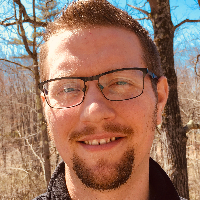
Stephen Dexter, LCPC
Hope-focused counselor with addiction experience
Explore online therapy optionsWorks with
- Anger
- Addictions
- Relationship issues
- Family conflicts
- Trauma and abuse
- Intimacy-related issues
How Stephen works
Practical facts
- Credentials
- LCPC
- Licensed in
- Maine
- Years in practice
- 12
- Languages
- English
- Session format
- Online, through our partner platform
About Stephen
Stephen Dexter is a licensed clinical professional counselor in Maine with 12 years of experience. He combines practical support with a hopeful outlook rooted in his own recovery journey. Stephen focuses on helping people regain control after addiction, trauma, or major life changes.
He spent three years working as an in-home counselor for families with children ages 6 to 16 who had behavioral and emotional challenges. Over more than eight additional years he has worked intensely with substance use and co-occurring disorders.
Background and approach
That background shaped his interest in addictive thinking and how it connects to a person’s life story. Stephen uses straightforward conversation and goal-focused work. He offers one-on-one, couples, group, and in-home approaches depending on what fits a person’s needs.
Sessions often address depression, anxiety, stress, and loss of purpose alongside addiction concerns. He also supports people dealing with relationship struggles, parenting stress, body image, attachment issues, and communication problems. Stephen encourages clients to explore values and spirituality if that matters to them, and he brings a faith-informed perspective when requested.
People looking for direction can expect clear steps, attention to addictive patterns, and practical coping tools. He aims to make progress feel possible by breaking problems into manageable parts and building on small successes.
What Stephen works with
Everything Stephen lists, in the therapist's own terms. Anger is the reason this directory exists; the rest tells you what usually sits alongside it in Stephen's practice.
- Addictions
- Relationship issues
- Family conflicts
- Trauma and abuse
- Intimacy-related issues
- Stress, Anxiety
- Eating disorders
- Parenting issues
- Anger management
- Self esteem
- Career difficulties
- Depression
- Coping with life changes
- Coaching
- Compassion fatigue
- Attachment issues
- Body image
- Caregiver issues and stress
- Co-morbidity
- Codependency
- Communication problems
- Control issues
- Dissociation
- Divorce and separation
- Domestic violence
- Drug and alcohol addiction
- Eating and food-related issues
- Emptiness
- Family of origin issues
- Family problems
- Fatherhood issues
- Forgiveness
- Guilt and shame
- Impulsivity
- Infidelity
- Isolation / loneliness
- Life purpose
- Men's issues
- Multicultural concerns
- Self-harm
- Sex addiction
- Sexual assault and abuse
- Sexual dysfunction
- Sexuality
Approaches Stephen lists
- Client-Centered Therapy
- Cognitive Behavioral Therapy (CBT)
- Dialectical Behavior Therapy (DBT)
- Jungian Therapy
- Mindfulness Therapy
- Motivational Interviewing
- Solution-Focused Therapy
- Trauma-Focused Therapy
Listing an approach is not evidence of training in it. This directory copies what each therapist names and does not check training records.
Approaches that guide online work
Client-Centered Therapy focuses on listening and supporting a person where they are. It emphasizes empathy and collaboration, helping clients find their own solutions for issues like relationship strain, low self-esteem, and life transitions.Cognitive Behavioral Therapy, or CBT, looks at the links between thoughts, feelings, and behavior. It teaches practical skills to change unhelpful thinking and reduce symptoms of anxiety, depression, and addictive patterns.
Dialectical Behavior Therapy, or DBT, offers concrete skills for regulating intense emotions and improving interpersonal effectiveness. It can be useful for stress, anger, and problems with emotional control.
Choosing the right approach is a shared process. The therapist will talk with the client about goals, preferences, and what feels most helpful. Together they decide whether to use client-centered conversation, CBT skills, DBT techniques, or a mix of methods.
Online therapy with video, phone, live chat, or text-based messaging provides flexible ways to connect. Video calls let people work face-to-face; phone sessions can fit into a busy day or use less bandwidth; live chat and text messaging suit quick check-ins and ongoing support between sessions. These options make it easier to keep therapy consistent while fitting it around work, school, and family life.
Questions people ask about Stephen
What concerns does Stephen help with?
He works with addictions, relationship and family problems, trauma, anger, anxiety, depression, stress, eating and body-image concerns, and related issues.
What is his therapeutic style like?
His approach is direct and practical, blending client-centered conversation with techniques from CBT and DBT when useful.
How much experience does he have?
He brings 12 years in the field, including three years as an in-home counselor and extensive work with substance use and co-occurring disorders.
What credentials and location are listed?
He holds the LCPC credential in Maine and practices from that state.
Which languages and international options are offered?
Sessions are offered in English and he accepts international clients.
What session formats are available?
He offers video calls, phone sessions, live chat, and text-based messaging to suit different needs.
How does pricing work for sessions?
Cost varies by location and therapist availability; services use a subscription model that can be canceled at any time.
How do I begin working with him?
Choose the Start Therapy button, complete a brief matching questionnaire, and schedule sessions according to therapist availability.