Search

Therapists for anger and Eating Disorders

3,075 therapists list both anger and eating disorders among the things they work with. All offer sessions online; each profile shows the states they are licensed in.

On this page you will find profiles of therapists who list eating disorders among their specialties. Use the listings below to review their approaches, credentials, languages, and focus areas.

Browse the therapists to identify practitioners whose experience and style align with what you need, then read full profiles to learn more.

1–48 of 3,075Page 1 of 44

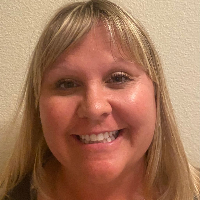
Dr. Chinell Collins

LPC

Helping people manage anger and life stressors

State
Pennsylvania
Experience
15 years
Languages
English
Also works with
Stress, Anxiety, Addictions, Trauma and abuse, Eating
How they work
Cognitive Behavioral Therapy, Dialectical Behavior Therapy, Mindfulness Therapy

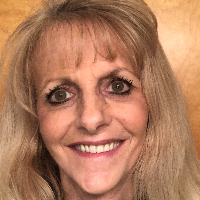
Shelle Savill

LPC

Practical support for anger and mood struggles

State
Pennsylvania
Experience
21 years
Languages
English
Also works with
Stress, Anxiety, Addictions, Relationship, Bipolar
How they work
Attachment-Based Therapy, Client-Centered Therapy, Emotionally-Focused Therapy

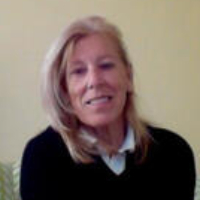
Annette OBryant

LPC

Straightforward support for life’s hard moments

State
Texas
Experience
12 years
Languages
English
Also works with
Stress, Anxiety, Trauma and abuse, Parenting, Self esteem
How they work
Client-Centered Therapy, Cognitive Behavioral Therapy, Emotionally-Focused Therapy

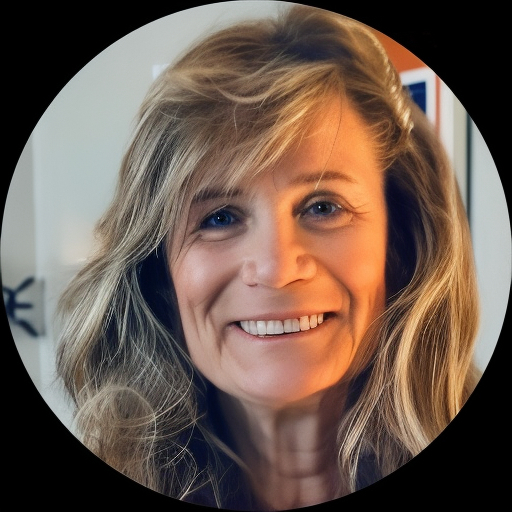
Christine O'Neill

LPC, LCPC

Practical, goal-focused counselor with 18 years experience

State
Colorado
Experience
18 years
Languages
English
Also works with
Stress, Anxiety, Addictions, Relationship, Self esteem
How they work
Client-Centered Therapy, Cognitive Behavioral Therapy, Dialectical Behavior Therapy

Wynona Russ

LPC

Skilled counselor for emotion and behavior regulation

State
Louisiana
Experience
5 years
Languages
English
Also works with
Stress, Anxiety, Relationship, Family, Parenting
How they work
Client-Centered Therapy, Cognitive Behavioral Therapy, Dialectical Behavior Therapy

Wanda Bush

LPC

Calm, practical support for strong emotions

State
Louisiana
Experience
15 years
Languages
English
Also works with
Stress, Anxiety, Relationship, Family, Self esteem
How they work
Attachment-Based Therapy, Client-Centered Therapy, Cognitive Behavioral Therapy

Karen Andrews

LPC

Practical strategies for strong emotions

State
Connecticut
Experience
14 years
Languages
English
Also works with
Stress, Anxiety, Family, Trauma and abuse, Self esteem
How they work
Attachment-Based Therapy, Client-Centered Therapy, Cognitive Behavioral Therapy

Dr. Robert Nolan

LMHC

Experienced LMHC focusing on practical change

State
Florida
Experience
30 years
Languages
English
Also works with
Stress, Anxiety, Trauma and abuse, Bipolar, Depression
How they work
Client-Centered Therapy, Cognitive Behavioral Therapy, Dialectical Behavior Therapy

Prof. Ryan Davis

LPC

Compassionate counselor focused on practical change

State
Michigan
Experience
14 years
Languages
English
Also works with
Stress, Anxiety, Addictions, Relationship, Depression
How they work
Client-Centered Therapy, Emotionally-Focused Therapy

Marisa Esparza

LPC

Straightforward support for strong emotions and parenting strain

State
Texas
Experience
10 years
Languages
English
Also works with
Stress, Anxiety, Parenting, Depression, ADHD
How they work
Acceptance and Commitment Therapy, Attachment-Based Therapy, Client-Centered Therapy

Evalee Smith

LISW, LCSW, CSW

Compassionate, skills-focused mental health care

State
Georgia
Experience
25 years
Languages
English
Also works with
Stress, Anxiety, Parenting, Self esteem, Depression
How they work
Attachment-Based Therapy, Client-Centered Therapy, Cognitive Behavioral Therapy

Heidi Wendenburg

LPC

Compassionate help for strong emotions

State
Texas
Experience
5 years
Languages
English
Also works with
Stress, Anxiety, Eating, Depression, Coping with life changes
How they work
Acceptance and Commitment Therapy, Attachment-Based Therapy, Client-Centered Therapy

Kristin Fox-Klingensmith

LPC

Compassionate counselor focused on practical change

State
Michigan
Experience
22 years
Languages
English
Also works with
Stress, Anxiety, Addictions, Trauma and abuse, Grief
How they work
Client-Centered Therapy, Cognitive Behavioral Therapy, Dialectical Behavior Therapy

Sarah Bulwinkle

LMHC

Experienced LMHC focusing on practical skills

State
Massachusetts
Experience
22 years
Languages
English
Also works with
Family, Trauma and abuse, Parenting, Bipolar
How they work
Cognitive Behavioral Therapy, Dialectical Behavior Therapy, Mindfulness Therapy

Traci White

LCPC

Calm guidance for overwhelming emotions

State
Illinois
Experience
5 years
Languages
English
Also works with
Stress, Anxiety, Trauma and abuse, Self esteem, Depression
How they work
Acceptance and Commitment Therapy, Attachment-Based Therapy, Client-Centered Therapy

Jamie Clausen

LMHC

Compassionate counselor for emotion and anger regulation

State
Washington
Experience
10 years
Languages
English
Also works with
Stress, Anxiety, Trauma and abuse, Self esteem, Bipolar
How they work
Client-Centered Therapy, Cognitive Behavioral Therapy, Dialectical Behavior Therapy

Christine Vollmer

LCSW

Practical support for navigating strong emotions

State
Wisconsin
Experience
16 years
Languages
English
Also works with
Stress, Anxiety, Grief, Self esteem, Depression
How they work
Client-Centered Therapy, Cognitive Behavioral Therapy, Mindfulness Therapy

Ginger Vanmeter

LCSW

Compassionate, practical help for intense emotions

State
Kentucky
Experience
15 years
Languages
English
Also works with
Stress, Anxiety, Relationship, Parenting, Depression
How they work
Acceptance and Commitment Therapy, Attachment-Based Therapy, Client-Centered Therapy

Crystal Kelly

LMFT

Calm, practical support for emotion and behavior

State
Florida
Experience
11 years
Languages
English
Also works with
Stress, Anxiety, Relationship, Family, Trauma and abuse
How they work
Client-Centered Therapy, Cognitive Behavioral Therapy, Dialectical Behavior Therapy

Ilkem Onder

LMHC

Compassionate counselor focusing on practical change

State
Florida
Experience
7 years
Languages
English
Also works with
Stress, Anxiety, Relationship, Family, Grief
How they work
Client-Centered Therapy, Cognitive Behavioral Therapy, Mindfulness Therapy

Catherine Seger

LCPC

Compassionate, practical counseling for strong emotions

State
Illinois
Experience
18 years
Languages
English
Also works with
Stress, Anxiety, Addictions, Self esteem, Depression
How they work
Acceptance and Commitment Therapy, Client-Centered Therapy, Cognitive Behavioral Therapy

Melakee Nicholson

LPC

Practical, values-focused therapy for emotional challenges

State
Texas
Experience
10 years
Languages
English
Also works with
Stress, Anxiety, Relationship, Family, Depression
How they work
Acceptance and Commitment Therapy, Attachment-Based Therapy, Client-Centered Therapy

Barbara Mey

LMHC

Calm, practical therapy for everyday struggles

State
Rhode Island
Experience
20 years
Languages
English
Also works with
Stress, Anxiety, Relationship, Family, Self esteem
How they work
Acceptance and Commitment Therapy, Cognitive Behavioral Therapy, Mindfulness Therapy

Jesse Palermo

LCSW

Helping people manage anger and stress

State
New York
Experience
14 years
Languages
English
Also works with
Stress, Anxiety, Addictions, Relationship, Bipolar
How they work
Client-Centered Therapy, Cognitive Behavioral Therapy, Dialectical Behavior Therapy

Dr. Daniel Cabrera

LPC

Calm, practical counseling for life’s toughest moments

State
Texas
Experience
9 years
Languages
English
Also works with
Stress, Anxiety, Relationship, Bipolar, Depression
How they work
Attachment-Based Therapy, Client-Centered Therapy, Cognitive Behavioral Therapy

Lindsey Thorp

LCSW

Compassionate, practical support for strong emotions

State
Florida
Experience
6 years
Languages
English
Also works with
Stress, Anxiety, Trauma and abuse, Self esteem, Career
How they work
Acceptance and Commitment Therapy, Attachment-Based Therapy, Client-Centered Therapy

Lee-Anne Vaughn

LCSW

Calm, practical therapy for strong emotions

State
Kentucky
Experience
10 years
Languages
English
Also works with
Stress, Anxiety, Family, Self esteem, Depression
How they work
Acceptance and Commitment Therapy, Client-Centered Therapy, Cognitive Behavioral Therapy

Michael Powers

LPC

Helping people manage anger and strong emotions

State
Michigan
Experience
41 years
Languages
English
Also works with
Stress, Anxiety, Trauma and abuse, Bipolar, Depression
How they work
Cognitive Behavioral Therapy, Motivational Interviewing, Trauma-Focused Therapy

Marylise Zwarts

LMHC

Compassionate counselor for life change

State
Florida
Experience
25 years
Languages
English, French
Also works with
Relationship, Trauma and abuse, Grief, Self esteem
How they work
Client-Centered Therapy, Eye Movement Desensitization and Reprocessing, Psychodynamic Therapy

Janet Angueira

LMHC

Compassionate counselor helping people move forward

State
Florida
Experience
30 years
Languages
English
Also works with
Stress, Anxiety, Relationship, Self esteem, Depression
How they work
Client-Centered Therapy, Cognitive Behavioral Therapy, Imago Relationship Therapy

Lynn Vinson

LCSW

Calm, experienced social worker focused on practical change

State
California
Experience
10 years
Languages
English
Also works with
Stress, Anxiety, Relationship, Grief, Self esteem
How they work
Client-Centered Therapy, Cognitive Behavioral Therapy, Dialectical Behavior Therapy

Cheli Webb

LCMHC

Practical support for real-life challenges

State
Utah
Experience
12 years
Languages
English
Also works with
Stress, Anxiety, Addictions, Relationship, Family
How they work
Attachment-Based Therapy, Client-Centered Therapy, Cognitive Behavioral Therapy

Deana Porter

LMFT

Calm, practical therapy for anger and relationships

State
California
Experience
29 years
Languages
English
Also works with
Relationship, Family, Trauma and abuse, Intimacy-related issues
How they work
Cognitive Behavioral Therapy, Dialectical Behavior Therapy, Gottman Method

Marcia Klucznik

LPC

Calm-focused counseling for everyday struggles

State
Michigan
Experience
9 years
Languages
English
Also works with
Stress, Anxiety, Grief, Depression, Coping with life changes
How they work
Client-Centered Therapy, Cognitive Behavioral Therapy, Mindfulness Therapy

Peter Meilahn

LPC

Practical strategies for focus and emotional balance

State
Oregon
Experience
16 years
Languages
English
Also works with
Stress, Anxiety, Addictions, Depression, Coping with life changes
How they work
Acceptance and Commitment Therapy, Attachment-Based Therapy, Client-Centered Therapy

Joy Townsend

LCSW

Compassionate guidance for managing anger and life stress

State
Florida
Experience
5 years
Languages
English
Also works with
Stress, Anxiety, Family, Grief, Parenting
How they work
Cognitive Behavioral Therapy, Mindfulness Therapy, Motivational Interviewing

Allison Nitschke

LPC, LCMHC

Compassionate counselor for anger and life stress

State
South Carolina
Experience
21 years
Languages
English
Also works with
Relationship, Grief, Parenting, Depression
How they work
Client-Centered Therapy, Cognitive Behavioral Therapy, Emotionally-Focused Therapy

Marianne Matos

LPC

Practical, person-centered counseling for strong emotions

State
South Carolina
Experience
8 years
Languages
English
Also works with
Stress, Anxiety, Trauma and abuse, Self esteem, Depression
How they work
Attachment-Based Therapy, Client-Centered Therapy, Cognitive Behavioral Therapy

Diandra Ortiz

LMHC

Compassionate skills for managing strong emotions

State
Florida
Experience
5 years
Languages
English, Spanish
Also works with
Stress, Anxiety, Addictions, Family, Trauma and abuse
How they work
Acceptance and Commitment Therapy, Client-Centered Therapy, Cognitive Behavioral Therapy

Susan Jentoft

LPC

Experienced counselor for life transitions

State
Mississippi
Experience
25 years
Languages
English
Also works with
Stress, Anxiety, Relationship, Family, Grief
How they work
Acceptance and Commitment Therapy, Client-Centered Therapy, Cognitive Behavioral Therapy

Thomas Corwell

LMHC, LMFT

Calm, practical support for everyday struggles

State
Florida
Experience
40 years
Languages
English
Also works with
Stress, Anxiety, Addictions, Relationship, Depression
How they work
Cognitive Behavioral Therapy, Dialectical Behavior Therapy, Gottman Method

Tesia Wells

LMFT

Practical therapy for anger and relationship strain

State
New York
Experience
15 years
Languages
English
Also works with
Relationship, Family, Grief, Parenting
How they work
Client-Centered Therapy, Cognitive Behavioral Therapy, Existential Therapy

Cora Benedict

LMFT

Calm, practical therapy for managing strong emotions

State
Alaska
Experience
15 years
Languages
English
Also works with
Stress, Anxiety, Trauma and abuse, Grief, Parenting
How they work
Client-Centered Therapy, Cognitive Behavioral Therapy, Dialectical Behavior Therapy

Chinwe Nzerue-Obi

LPC

Experienced counselor focused on practical change

State
Texas
Experience
10 years
Languages
English, Igbo
Also works with
Stress, Anxiety, Relationship, Self esteem, Depression
How they work
Cognitive Behavioral Therapy, Solution-Focused Therapy

Diana Schmitz

LCSW

Calm, practical support for real-life change

State
Arkansas
Experience
13 years
Languages
English
Also works with
Stress, Anxiety, Relationship, Family, Self esteem
How they work
Client-Centered Therapy, Cognitive Behavioral Therapy, Dialectical Behavior Therapy

Some links on this page are partner links. We will earn a commission if you sign up through one, at no cost to you. It does not change what you pay or the order of the listings.

Understanding eating disorders and how they affect people

Eating disorders are complex patterns of thinking and behavior around food, eating, body image, and weight that can have far-reaching effects on your daily life. They do not always look the same from person to person. For some, symptoms center on restricting food and rigid rules about what and when to eat. For others, episodes of binge eating or cycles of overeating followed by compensatory behavior are more prominent. Body image distress and intense anxiety related to eating or weight can be present across different presentations. You may experience fluctuating energy, difficulties with concentration, social withdrawal, or strained relationships as the disorder takes up emotional and cognitive bandwidth.

Beyond behavior, eating disorders often interact with mood, anxiety, trauma, and stress response systems. That interplay can make it hard to untangle what started first or what is maintaining the pattern now. If you are seeking help, you are looking at more than food and weight - you are addressing coping patterns, identity, interpersonal dynamics, and often deep emotional triggers. Therapy can help you examine those layers, develop alternative coping strategies, and build ways to live with less preoccupation around eating and body concerns.

Recognizing signs that you or someone you know might benefit from therapy

It can be difficult to know when concern about eating, weight, or body image has crossed a line that warrants professional attention. You might notice that thoughts about food, shape, or calories occupy a large portion of your mental energy or that eating rules interfere with work, school, or relationships. Physical signs such as dramatic weight changes, frequent stomach complaints, dizziness, or irregular sleep can accompany behavioral changes. Emotional warning signs include intense shame, fear of judgment, mood swings tied to eating patterns, or avoidance of social situations that involve food.

If worrying about food causes you to miss events, stop participating in activities you used to enjoy, or leads to secretive eating or compensatory behaviors, those are important signals to explore with a professional. Likewise, if someone you care about shows sudden changes in eating habits, spends excessive time exercising, or becomes withdrawn and defensive when asked about their eating, encouraging a conversation about seeking guidance may be helpful. Therapy is not solely for extreme or life-threatening cases - it can be useful at earlier stages to prevent escalation and to help you regain balance in a less painful way.

What to expect in therapy for eating disorders

When you begin therapy focused on eating disorders, the first few sessions are often about building rapport and understanding the whole picture of your experience. You and your therapist will likely review your history with food and body image, any past attempts to change patterns, your current supports, and how the issue affects your daily functioning. This intake process helps shape a collaborative treatment plan that reflects your needs, goals, and readiness for change.

Later sessions typically combine emotional exploration with practical skills. You can expect to work on recognizing triggers for certain eating behaviors, identifying the thoughts that contribute to distress, and experimenting with alternative coping strategies. Meal-related anxiety and body image concerns may be addressed through gradual exposure, cognitive restructuring, or behavioral experiments designed to change unhelpful patterns. Therapy can also include interpersonal work to address relationship dynamics that maintain the problem, and attention to co-occurring issues such as depression, anxiety, or trauma.

Progress is often nonlinear. There may be days when you notice meaningful shifts and days when patterns reassert themselves. A therapist's role is to support you through those ups and downs, help you refine your skills, and recalibrate goals as needed. You should expect honest, collaborative discussion about what is and is not working, along with practical options you can try between sessions.

Common therapeutic approaches for eating disorders

Therapists use a range of approaches for eating disorders, and you will commonly find professionals who list cognitive-behavioral, family-based, acceptance-oriented, or psychodynamic approaches among their methods. Cognitive-behavioral work often focuses on identifying and changing unhelpful thoughts and behaviors around eating and body image. Family-based approaches involve caregivers and family members when appropriate, especially with adolescents, to create a supportive framework for eating and recovery. Acceptance-oriented methods emphasize building willingness to experience difficult emotions while reducing the struggle that keeps behaviors in place. Psychodynamic approaches explore how patterns around food and body may connect to past relationships, identity, and unconscious beliefs.

Other practitioners may list nutritional counseling among their services or collaborative work with dietitians and medical providers to ensure an integrated plan. Some therapists will include mindfulness practices to help you notice urges and sensations without immediately acting on them, and some list exposure-based techniques to reduce avoidance around certain foods or situations. When reviewing profiles, pay attention to the language therapists use to describe their work, such as whether they highlight behavioral strategies, relational focus, or a combination of methods. That will help you find someone whose approach aligns with your preferences and goals.

How online therapy works for eating disorders and practical considerations

Online therapy offers a way to meet with a therapist remotely using video, phone, or messaging. For many people, online sessions reduce travel time and increase access to clinicians who specialize in eating disorders even if they are not nearby. If you choose online work, your therapist may still collaborate with other professionals, such as primary care providers, dietitians, or psychiatrists, when medical or nutritional oversight is needed. Sessions usually follow a similar structure to in-person therapy - intake, goal setting, skill practice, and review - but may include digital tools for tracking meals, mood, or behaviors between appointments.

There are practical things to consider for online therapy to be effective. You will want a personal, distraction-free setting where you can speak openly and focus. Good lighting and a stable internet connection help video sessions feel more personal. Some people prefer alternating between in-person and online sessions depending on needs and proximity. If you have medical concerns related to eating or weight, coordinating with a local medical provider is important because some aspects of care require in-person assessment. Discuss with any potential therapist how they approach collaboration with medical teams and what safety planning looks like within remote work.

Choosing a therapist for eating disorders - practical tips

Choosing the right therapist is a personal process that balances clinical approach, experience, and how comfortable you feel with the practitioner. Start by looking at profiles to identify therapists who explicitly list eating disorders among their specialties and who describe approaches that resonate with you. Notice whether they mention work with related issues you experience, such as anxiety, mood concerns, trauma, or family dynamics. Language can indicate whether a therapist emphasizes behavioral skills, relational exploration, or a combined approach.

Your comfort matters. A good fit is often a therapist who listens well, asks thoughtful questions, and explains their approach in a way you understand. In your profile review, check for information about credentials and languages spoken if those factors are important to you. When you reach out for an initial conversation, you can ask about their experience working with people who share your concerns, how they structure sessions, what kinds of collaborative care they recommend, and how they measure progress. It is reasonable to expect a straightforward discussion about goals and strategies without pressure to commit to a long-term plan immediately.

Finding a therapist can take time, but the process of reviewing profiles and reading therapist descriptions is an important step toward connecting with someone who can help you build sustainable change. Use the listings below to compare approaches, read more about practitioner backgrounds, and select a few profiles to explore further. Your search is an investment in care that can reduce distress and broaden the ways you relate to food, your body, and yourself.


Related pages

Also alongside anger

By state

Guides

Get started online